Starting strong: the clone room
Each cycle starts with cuttings from mother plants we maintain in-house. Clones root under gentle light and high humidity for two to three weeks, which keeps every batch of a strain genetically identical to the last.

How Cannasseurs Club grows the flower it sells. Clone propagation, indoor hydroponics, slow curing and state lab testing, all under one licence and one roof of accountability.
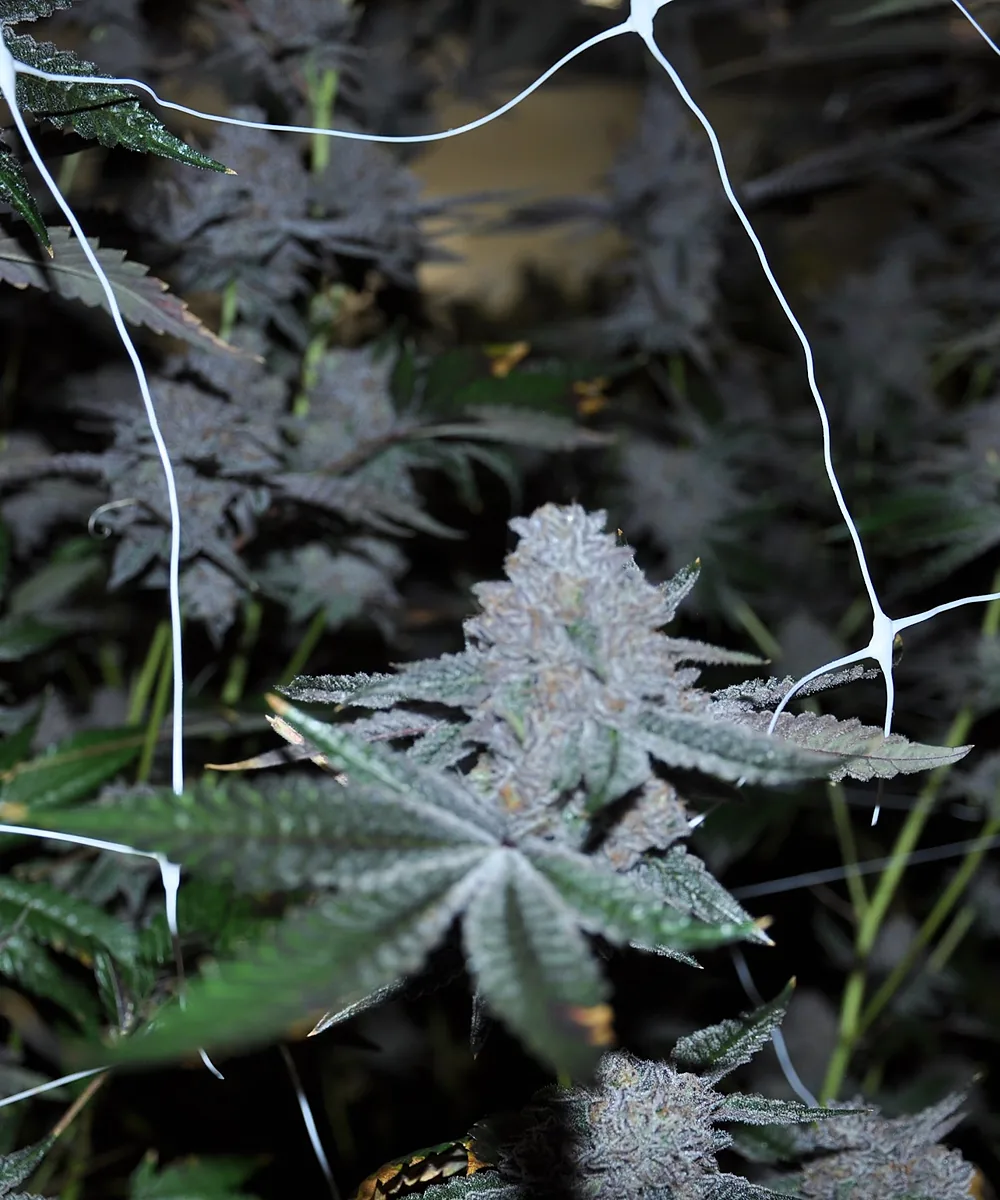
A vertically integrated dispensary cultivates, processes and sells its own cannabis. In California that means holding the right licences for each step and accepting responsibility for every jar from clone to counter. Cannasseurs Club has worked this way since 2007.
For customers the benefits are practical: fresher flower, consistent genetics from batch to batch, and lower prices because no distributor sits between the grow and the shop. It also means that when you ask a budtender how a house strain was grown, they can tell you.
The process below is the one our house flower follows. Branded products from other growers are bought in finished form and carry their own testing.
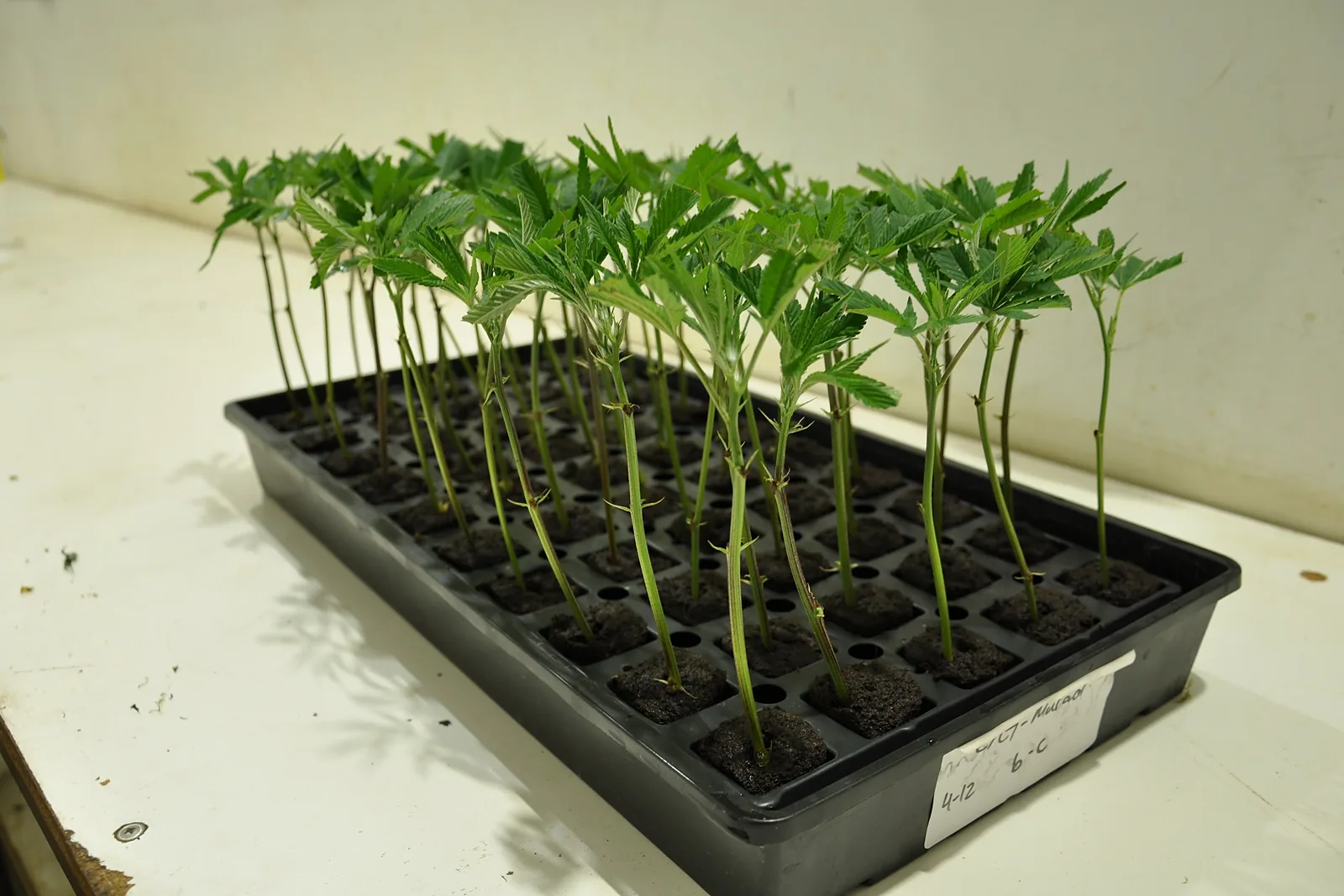
Each cycle starts with cuttings from mother plants we maintain in-house. Clones root under gentle light and high humidity for two to three weeks, which keeps every batch of a strain genetically identical to the last.
Rooted clones move into the vegetative room, where longer light periods and a nitrogen-rich nutrient schedule build the plant's structure before flowering.
Plants are grown in an inert medium and fed a measured nutrient solution. Light, temperature, humidity and airflow are controlled, so the grow is independent of weather and protected from outdoor pests.
Switching the light cycle triggers flowering. Over eight to ten weeks the plants develop the buds, resin and terpene profile that define each strain.
Plants are harvested at peak ripeness, hand-trimmed, then dried slowly and cured in controlled conditions. Slow curing preserves terpenes and gives house flower its smooth burn.
Every batch is sent to a state-licensed lab for potency, pesticide, microbial and heavy-metal testing. Only passing batches are jarred, labelled with the batch number, and moved to the shelf.
Want the detail on testing itself? Read how cannabis quality is tested in California.

The same team that oversees the grow stocks the shelf and trains the budtenders. That is why house flower is usually the first thing we suggest to a customer who wants value, and why we can answer questions about it in detail.
House genetics also feed two other lines: Cannasseurs pre-rolls, rolled from our own flower, and Cannasseurs vape cartridges, filled with oil from the same garden. Both appear on the live menu alongside the jars.
Just east of Tujunga Ave, between Lankershim Blvd and Vineland Ave, a short drive from Van Nuys, Valley Village, Studio City, Toluca Lake, Burbank, Sherman Oaks and Sun Valley.
| Monday | 10 AM to 10 PM |
| Tuesday | 10 AM to 10 PM |
| Wednesday | 10 AM to 10 PM |
| Thursday | 10 AM to 10 PM |
| Friday | 10 AM to 10 PM |
| Saturday | 10 AM to 10 PM |
| Sunday | 10 AM to 10 PM |
In our own indoor hydroponic facility in Southern California, operated under California cultivation licensing. The facility is not open to the public.
It is more consistent. Indoor growing lets us control light, climate and nutrients, which keeps batches uniform and protects the plants from weather and pests. Outdoor and greenhouse flower can be excellent too; it is simply a different approach.
We use an integrated pest management programme designed to pass California's mandatory pesticide testing, which is among the strictest in the world. Every batch is tested before sale.
Roughly four to five months from clone to jar: two to three weeks rooting, several weeks in vegetative growth, eight to ten weeks of flowering, then drying and curing.
No. We sell finished cannabis products only.
Cannasseurs flower in all sizes, house pre-rolls and Cannasseurs vape cartridges. See the house flower page and the live menu.